The Surprising Intelligence of Pet Fish and What It Means for Students
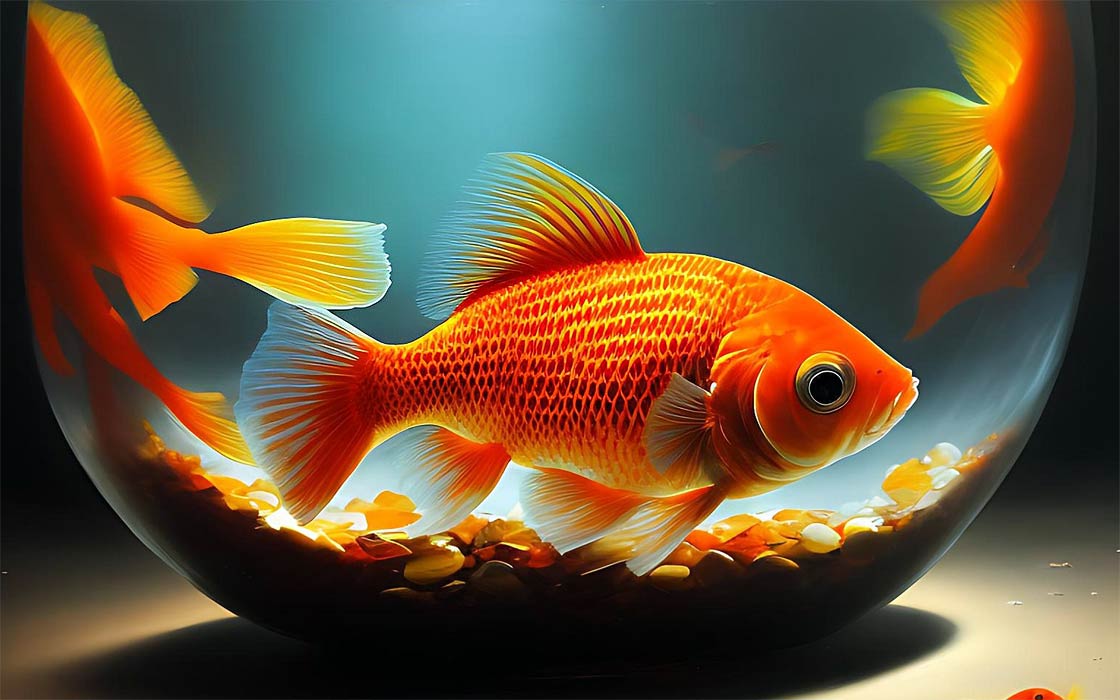
For decades, fish have been dismissed as decorative pets. Quiet. Passive. Forgetful. The popular myth that fish have a three-second memory still lingers in casual conversation, despite being repeatedly debunked in scientific literature. In reality, fish cognition research over the past twenty years has revealed something far more interesting: many fish species demonstrate learning ability, memory retention, social recognition, and even problem-solving skills.
For students considering pets in small dorms or shared apartments, this matters. Fish are often viewed as low-maintenance companions, but understanding their intelligence changes how we think about care, enrichment, and ethical ownership. Keeping fish is not about aesthetics alone. It is about interacting with a living creature capable of adaptation and learning.
Students writing about animal cognition or behavior sometimes find the research surprisingly technical. That is why platforms like EssayPro are occasionally referenced when organizing complex scientific sources into clear arguments. Scientific nuance deserves clarity. Fish intelligence, especially, has been misunderstood for too long.
Fish Memory
Far Beyond Three Seconds
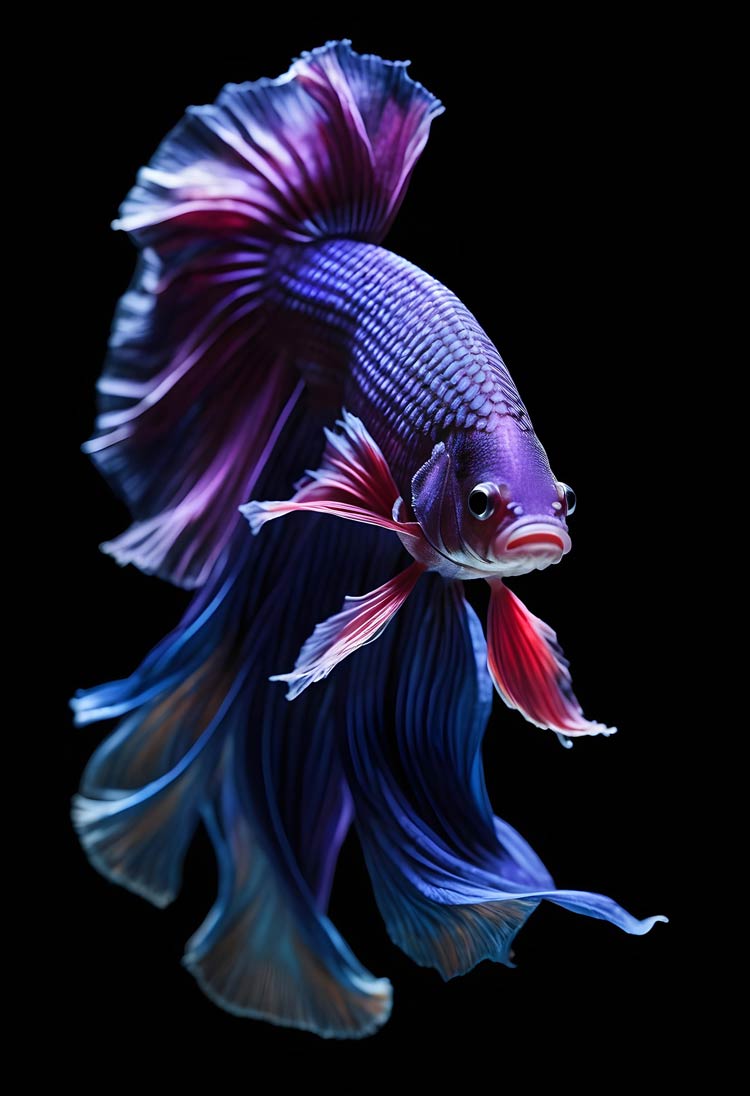
The three-second memory myth likely emerged from early misunderstandings of goldfish behavior. Controlled studies have shown that goldfish can remember spatial routes for months. In maze experiments, they learn navigation paths and retain them long after initial training. Some studies report memory retention lasting up to five months.
This level of memory suggests long-term encoding mechanisms similar to those seen in other vertebrates. Fish do not rely purely on instinct. They learn from repeated exposure and environmental feedback.
For students with pet fish, this means routines matter. Fish can associate feeding times with specific cues. They recognize consistent environmental patterns. Disruptions in lighting or tank placement are noticeable to them.
Social Recognition and Interaction
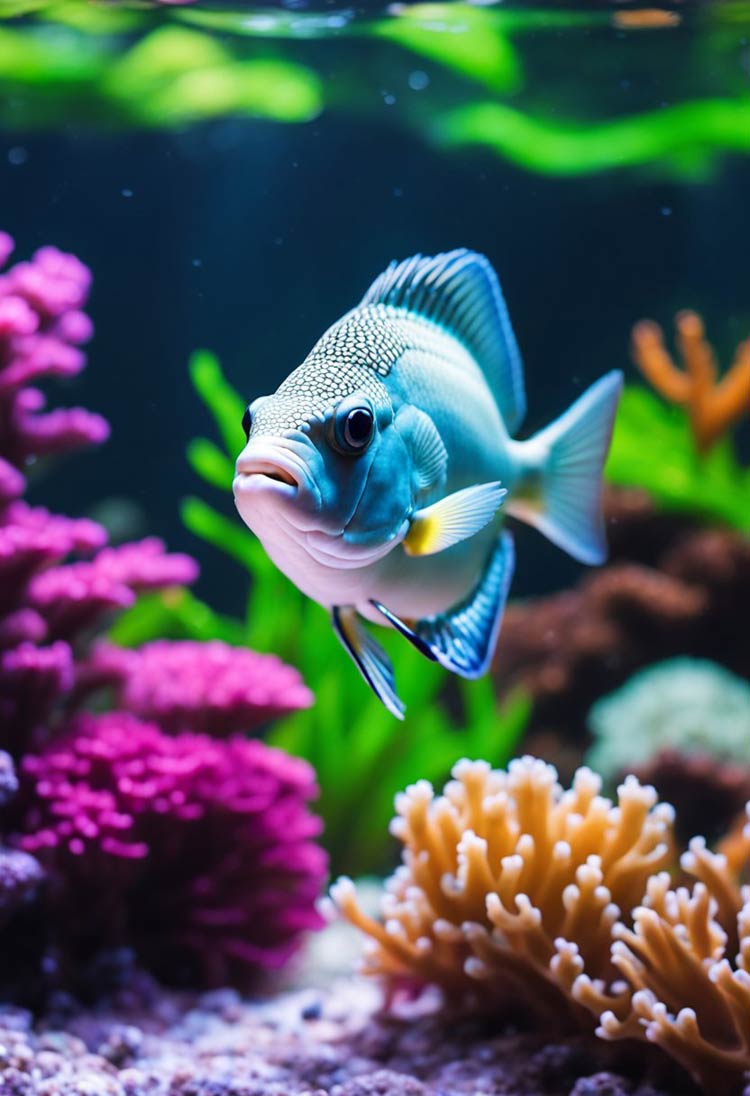
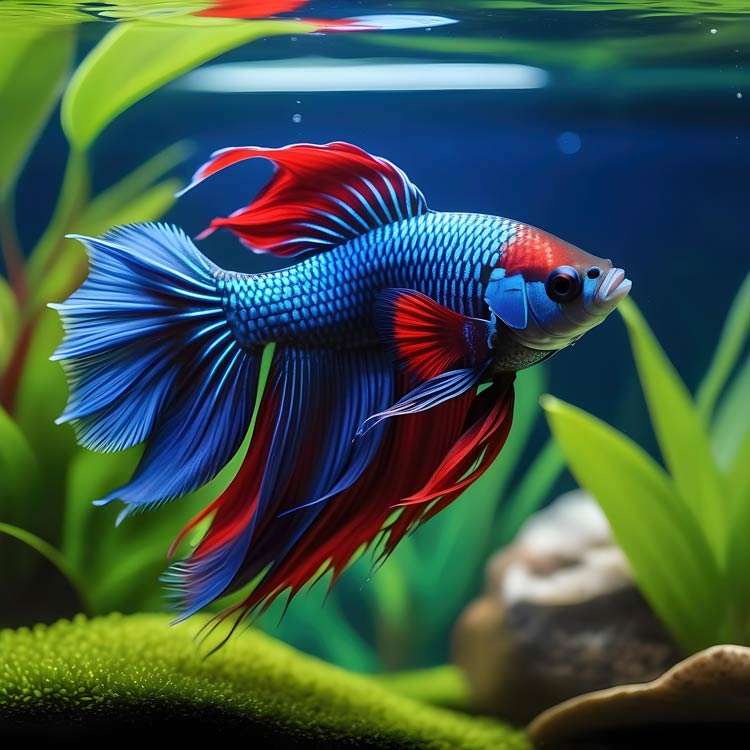
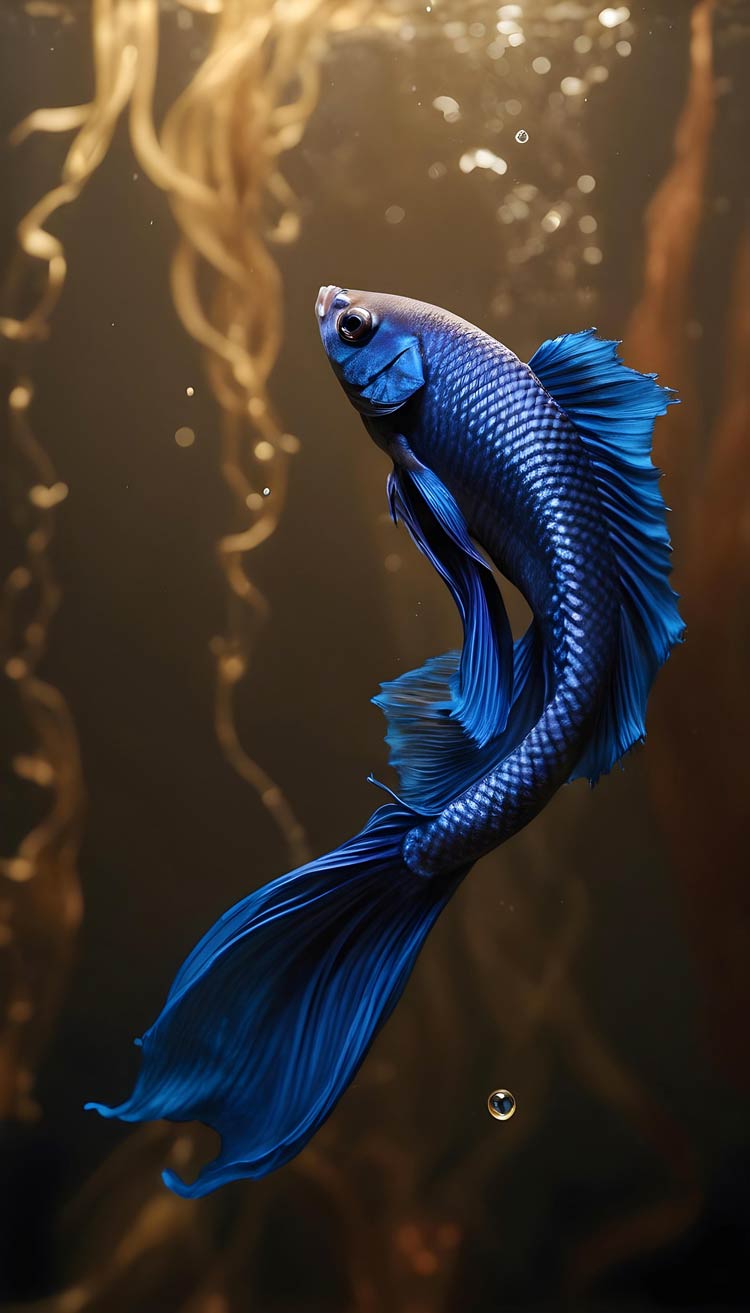
Certain fish species, including cichlids and bettas, display individual recognition. Research indicates that some species can distinguish between familiar and unfamiliar tank mates. This ability plays a role in hierarchy formation and territorial behavior.
Even more intriguing, fish show signs of observational learning. In laboratory settings, fish have learned tasks by watching other fish perform them. This suggests cognitive flexibility rather than rigid instinct.
Students who keep fish often report that their fish respond differently to them than to strangers. While anthropomorphism should be avoided, there is evidence that fish can associate human presence with feeding and routine patterns.
Problem-Solving Abilities
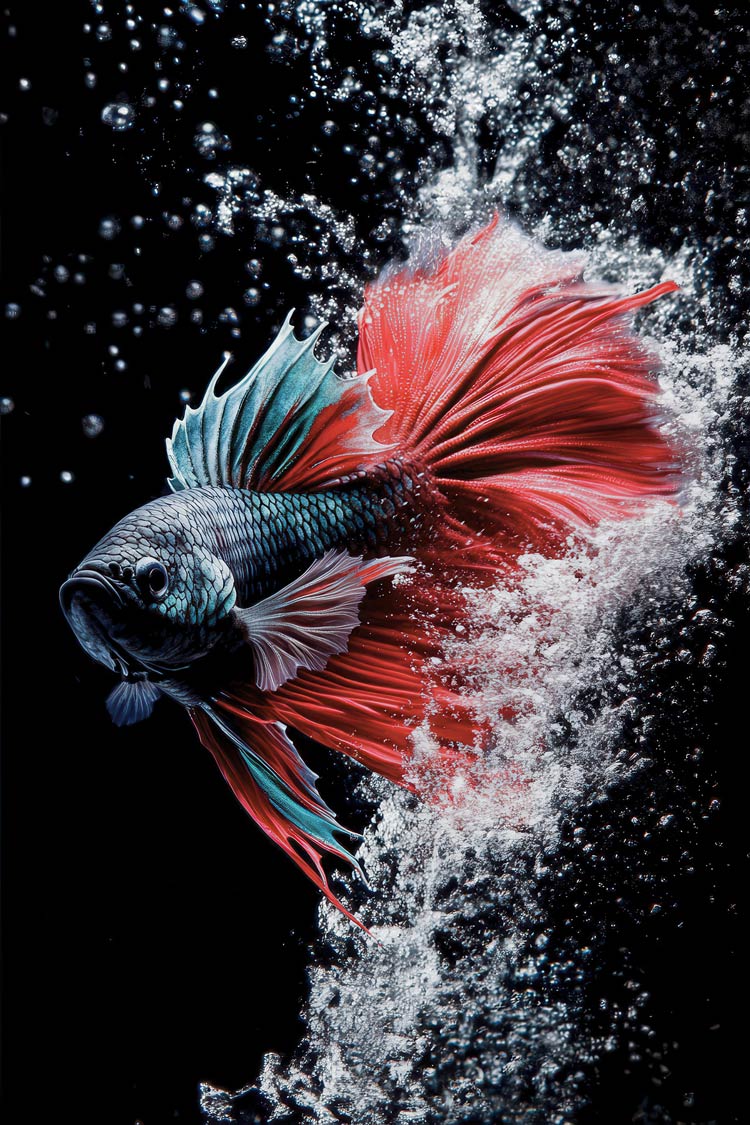
Wrasses and certain reef fish have demonstrated tool use in natural environments, using rocks to crack open shellfish. In controlled experiments, fish have navigated complex barriers to access food rewards.
The ability to solve novel tasks challenges the outdated perception of fish as reactive organisms. Instead, they exhibit adaptive behavior based on environmental cues.
From an educational standpoint, observing this behavior firsthand can be surprisingly grounding. Students studying biology, psychology, or environmental science may find that keeping fish reinforces theoretical knowledge about learning systems and behavior patterns.




Emotional Capacity and Stress Response
Fish possess stress responses regulated by cortisol, similar to mammals. Environmental changes, overcrowding, or poor water quality trigger measurable physiological stress.
While it is still debated whether fish experience emotions in the human sense, evidence strongly supports that they respond to stimuli in ways that affect well-being and behavior.
For students in compact housing, proper tank maintenance becomes a responsibility, not just a chore. Filtration systems, water chemistry stability, and environmental enrichment directly influence fish health.
This intersection of responsibility and empathy can be formative. Caring for a cognitively capable animal fosters routine discipline and attentiveness – qualities valuable beyond pet ownership.
Why Fish Make Practical Pets for Students
From a logistical standpoint, fish are often well-suited to student life.
They:
- Require less physical space than mammals.
- Do not produce noise that disturbs roommates.
- Can adapt to structured feeding schedules.
- Generally have lower monthly care costs compared to dogs or cats.
However, this practicality should not be confused with simplicity. Water testing, filtration upkeep, and species compatibility require knowledge.
Keeping fish is manageable. It is not effortless.
Intelligence Across Species
It is important to avoid over generalization. Not all fish exhibit the same cognitive complexity. Goldfish, bettas, cichlids, and certain marine species show higher observable learning capabilities than others.
Research suggests that ecological demands influence cognitive development. Species living in complex reef environments often display stronger spatial memory and social coordination.
Students choosing fish as pets should consider species-specific traits. Intelligence varies, and so do care requirements.
The Ethical Dimension
As awareness of fish cognition increases, ethical standards for care evolve. Small bowls without filtration are no longer considered acceptable for most species. Adequate tank size, oxygenation, and environmental structure are baseline requirements.
Public perception is shifting. Just as understanding of dog and cat intelligence transformed pet culture decades ago, expanding research on fish cognition is reshaping aquarium ethics.
Annie Lambert, reflecting on trends within the essay writing service industry, has noted that animal cognition topics are increasingly common in student essays. She emphasizes that academic discussions now frequently challenge outdated assumptions about non-mammalian intelligence. Fish are part of that shift.
The more we learn, the more responsibility ownership entails.
Fish Intelligence and Student Development
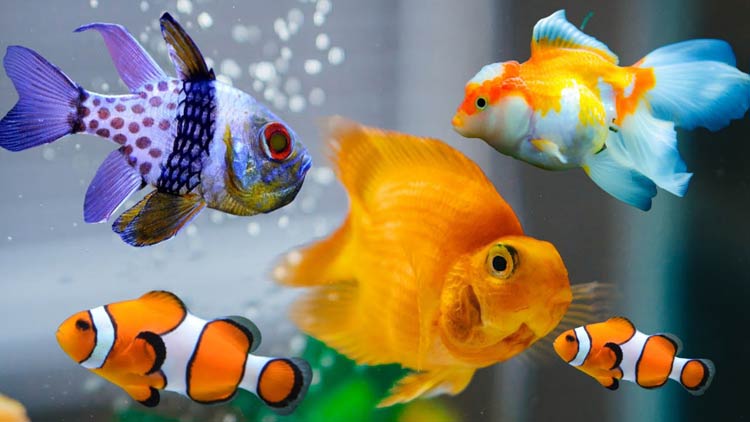
Caring for fish offers more than aesthetic appeal. It introduces routine. It demands observation. It fosters patience.
For students navigating academic stress, a well-maintained aquarium can provide visual calm and a structured responsibility that anchors daily habits.
Research in environmental psychology suggests that observing aquatic environments can reduce perceived stress levels by measurable margins. While fish do not replace social interaction, they contribute to environmental balance in small living spaces.
Understanding their intelligence adds depth to that experience.
Final Thoughts
Rethinking What We Underestimate
Fish intelligence is not sensational. It is subtle. It reveals itself in memory retention, learned behaviors, environmental recognition, and adaptive responses.
They are not miniature mammals. They are intelligent aquatic vertebrates shaped by different evolutionary pressures.
For students seeking pets compatible with limited space and structured schedules, fish represent a practical yet cognitively meaningful option. But ownership requires respect for their learning capacity and environmental needs.
Underestimating fish has been easy because their behavior is quieter. Research suggests we should not confuse quiet with simple.